


Explained
What Bitcoin ETF flows really measure (and what they don't)
A daily ETF flow is the change in shares outstanding times NAV. Here is how that number is made, when it arrives, and why a big inflow is not the same as a big buyer.
Every article from the We Love Crypto Desk, newest first.
A daily ETF flow is the change in shares outstanding times NAV. Here is how that number is made, when it arrives, and why a big inflow is not the same as a big buyer.

The same BTC long on the same account, run once in cross mode and once in isolated mode: where each liquidates, what each can cost you, and when to pick which.
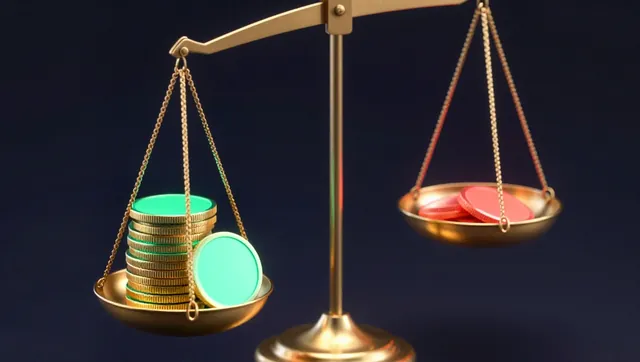
The small payment that keeps a perpetual future close to spot: who pays it, how it is set, what it costs you, and why an extreme reading is about positioning, not direction.

A liquidation is the exchange closing your leveraged position because your margin ran out. Here is where the line sits, what moves it, and how one forced sale turns into many.

A lock keeps the pool in place until a date; a burn keeps it there for good. Neither stops a fresh mint, a sell block or a large holder selling. Here is how to read both.




Three of the largest memecoins in one table, read from the CoinGecko API on 27 Oct 2026, with what the numbers measure, what they leave out and the risks that sit outside the table.
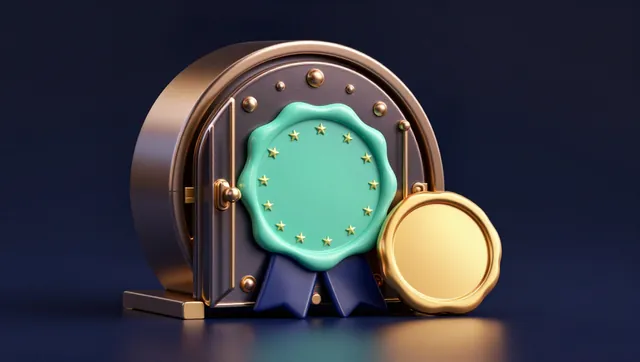
The transitional period is over: in the EU, only firms on ESMA's register may serve you. How to find the right entity, read its record and spot the red flags.
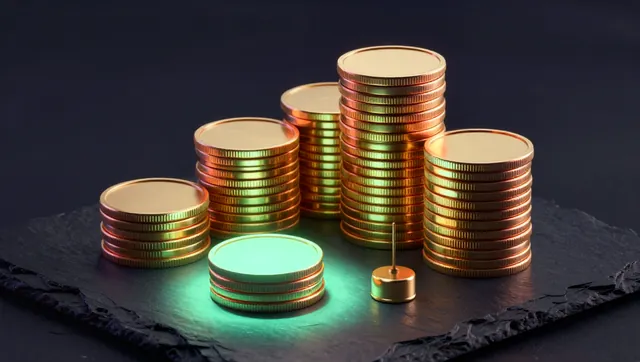
Decide what you can lose, divide it by the distance to your stop, and the position size follows. Worked examples on a $10,000 account, and where the rule breaks.

Holding your own keys moves the risk from a company to you. How seed phrases work, hot wallet versus hardware wallet, and the backup habits that matter most.
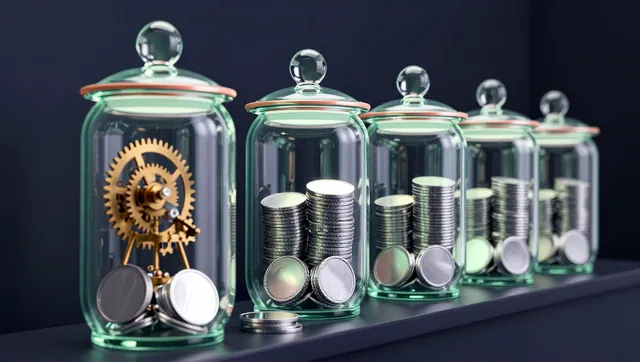


Locked tokens, cliffs and monthly releases: how a vesting schedule moves supply into circulation, how to look up the next unlock, and why an unlock is not automatically a sale.

A red 24-hour number is a measurement, not a verdict. Using October 10, 2025, here is what the figure measures, why sources disagree, and what it cannot tell you.
Locked liquidity, a revoked mint authority and the weight of the top 10 wallets: how to run each check yourself, and why passing them doesn't make a token safe.